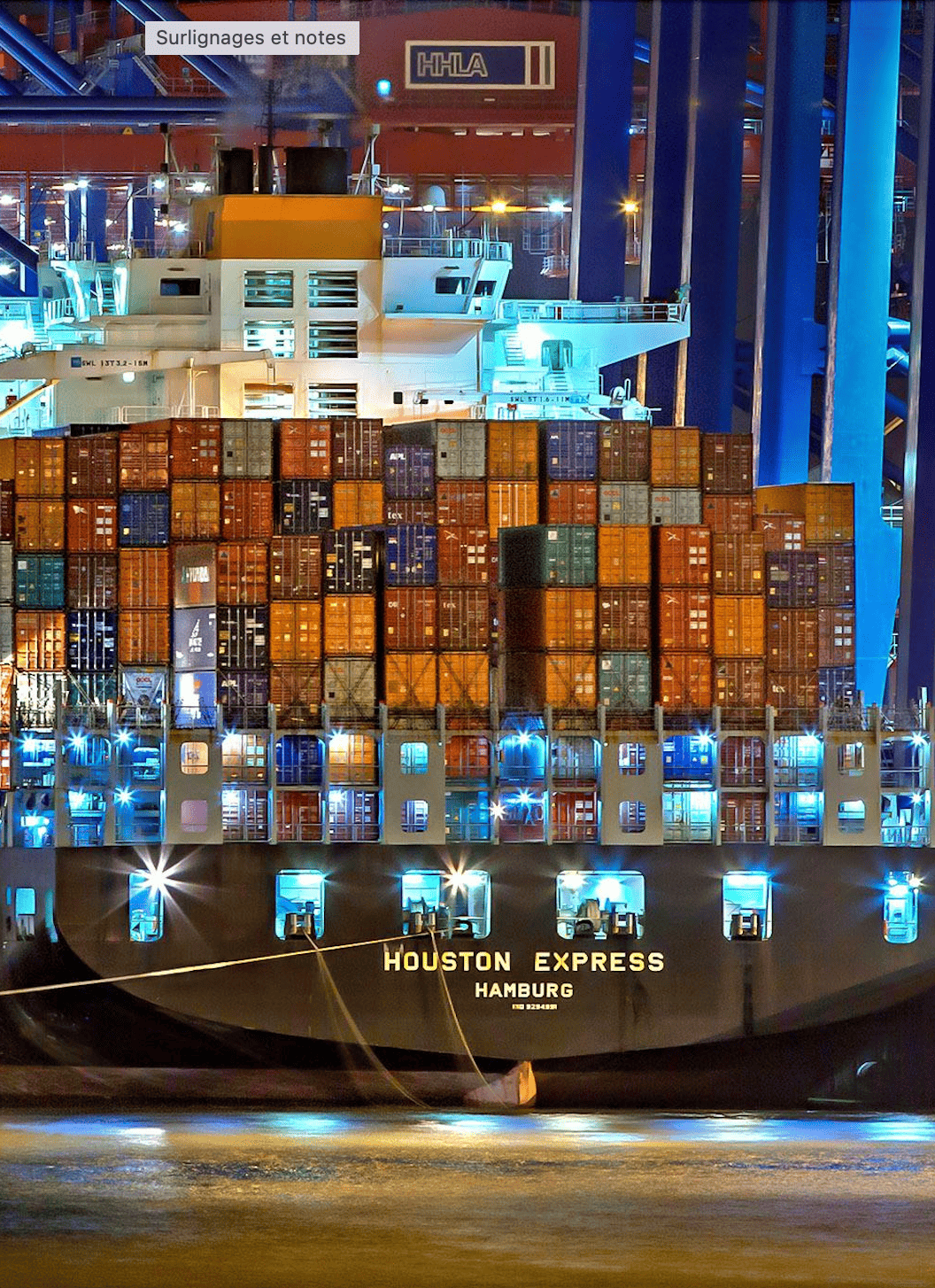
U.S. Tariffs : what do they mean for the board game industry ?
Three major crises in five years. From COVID-related port closures to the 2021 shipping cost explosion, and now a new challenge: 145% additional U.S. tariffs on most Chinese-made goods. The board game industry, deeply reliant on global logistics, is feeling the shockwaves. In this article, Hervé Plas, Head of Export at Blackrock Games, breaks down the real-world consequences—without political bias, just facts.
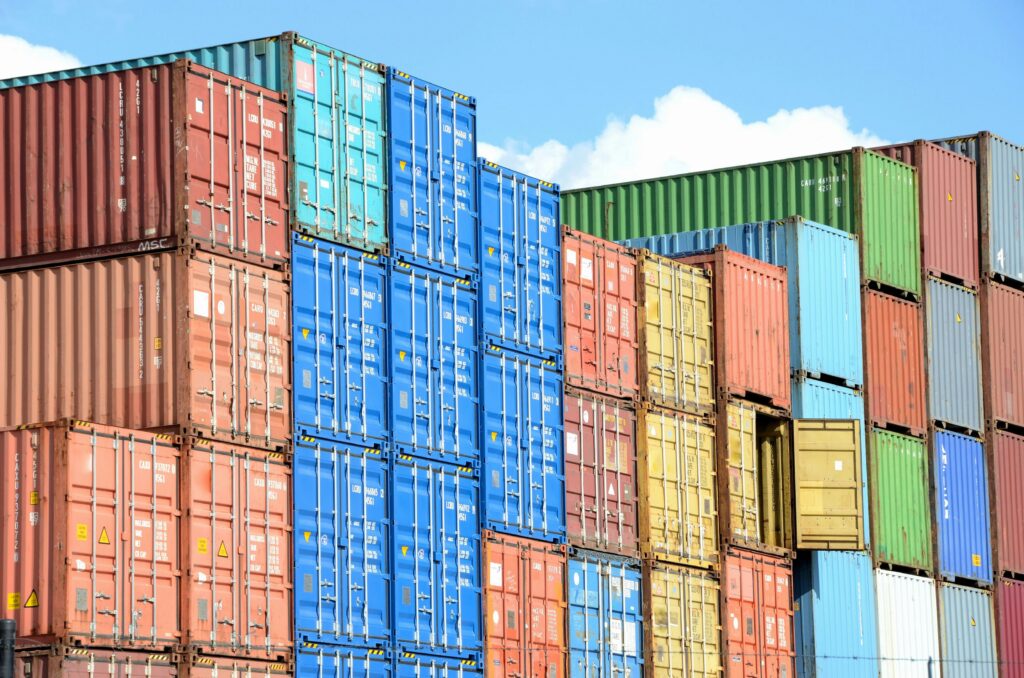
A Triple threat for US partners
According to The Toy Association™, 96% of U.S. toy and game companies are small to medium-sized businesses, and 46% risk bankruptcy by Christmas under current tariff policies. The impact varies depending on the stage of production.
1. Games already produced or in Production
« This is the toughest scenario, says Hervé. Contracts are signed, goods are ready to ship from China—and suddenly, the cost to import skyrockets. A game sold for €5 now costs € 12.50 to enter the U.S. market. At € 20, it jumps to € 50 ».
Options ? Limited :
- Leave stock in China and hope for policy reversal—risking storage costs, humidity damage, and speculative pricing.
- Redirect to other markets—but shifting 30,000 units meant for the U.S. isn’t solved by selling 5,000 elsewhere.
- Pay the tariffs—if cash flow allows. This forces partners to raise prices, spread costs across their catalog, or sell direct-to-consumer to preserve margins.
2. Games about to enter production
« We’ve paused all unlaunched projects », says Hervé. Blackrock Games chose solidarity over risk, with support from understanding publishers. But delays loom.
European production quotes are underway—less taxed, but more expensive and slower. More demand on European factories means longer lead times. What was short-term now becomes mid-term.
3. Games still in concept phase
This is where long-term damage begins.
« We haven’t downsized, but we’ve canceled future projects, says Nathan McNair of Pandasaurus. Several promising titles may never reach the U.S. market. Instead, Pandasaurus plans to publish directly in French and German ».
The lack of warning left everyone scrambling.
« No one could anticipate this, Hervé explains. Stocks couldn’t be rerouted, cash flow couldn’t be adjusted. The industry is paralyzed ».
Creativity on hold, stability first
In the short and medium term, innovation may take a back seat. Publishers will focus on proven titles with guaranteed returns.
« The situation is too unstable to predict, Hervé admits. Our partners are passionate—they’ll find ways. But the U.S. lacks the infrastructure to produce high-quality games domestically ».
Nathan McNair agrees:
« If someone finds a way to manufacture quality games in the U.S. at reasonable prices, I’d be thrilled. But right now, the printers are in China ».
What’s next ?
Without a reversal in U.S. policy, the board game sector may mirror other affected industries :
Big players survive, while small innovators struggle.
Stock shortages, price hikes, and less diversity could push consumers away.
« Americans are being hit from all sides, says Hervé. Spending on board games may not be a priority ».
Still, there’s hope.
« With the holidays approaching, a toyless Christmas might pressure the government to reconsider », Hervé adds. Some exemptions have already been granted to Apple and Nike—but whether games will follow remains uncertain.
Ripple Effects Beyond the U.S.
Europe won’t be spared. Marketing budgets from U.S. partners fuel global campaigns—if they dry up, visibility drops. Grouped production orders lose scale—raising costs for English-language versions in Canada and the UK.
In a fragile ecosystem, every decision counts. The board game industry now faces a pivotal moment—where resilience, creativity, and global cooperation will determine what’s left on the shelves next season.
12th may 2025